

Why Water Supply Pipelines Leak: A Brief Analysis of Causes
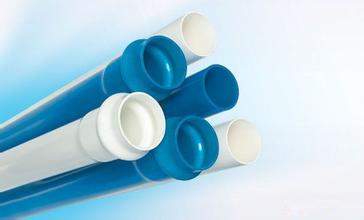
Leakage does real damage: it lowers the pressure in the water supply network and disrupts normal supply. A main that leaks for a long time can develop into a burst, which may stop production at factories, cut water to residents and interrupt traffic, causing serious property loss. Leaks follow a pattern — hidden seepage becomes a visible leak once it reaches a certain volume, though sometimes the hidden flow runs into a river, a sewer or a cable trench and never becomes visible at all. There are many causes of leakage; the common ones are set out below.
Pipe material quality
Metal pipe can develop cracks, pinholes and incomplete anti-corrosion coatings during production and handling, planting hidden risks for later leakage.
Design that departs from standards
Without strict structural calculation, a pipeline may not be designed for the dynamic and static loads it carries. If the pipe is buried too shallow or vehicles are too heavy, dynamic load rises, and excessive load easily causes joint leakage or even bursting. Choosing a pipe prone to bursting, such as concrete pipe, adds risk; so does specifying too low a working pressure. Urban networks typically run at 0.3 to 0.6 MPa and should use pipe rated at 1 MPa, yet township water suppliers often choose 0.6 MPa pipe to save cost, which readily leads to bursts.
Corrosion and ageing of the pipeline
With time, pipe is slowly corroded and aged by the acidity and alkalinity of the surrounding soil. Galvanised pipe, steel pipe and cast iron pipe age most severely.
Joint sealing method and quality
Some joints are sealed with cement. Such joints are rigid: temperature change can shrink or expand the pipe until it cracks, and uneven settlement can split them lengthwise. If the filler is uneven or the cement is not compacted when the joint is sealed, the joint can leak even in normal operation.